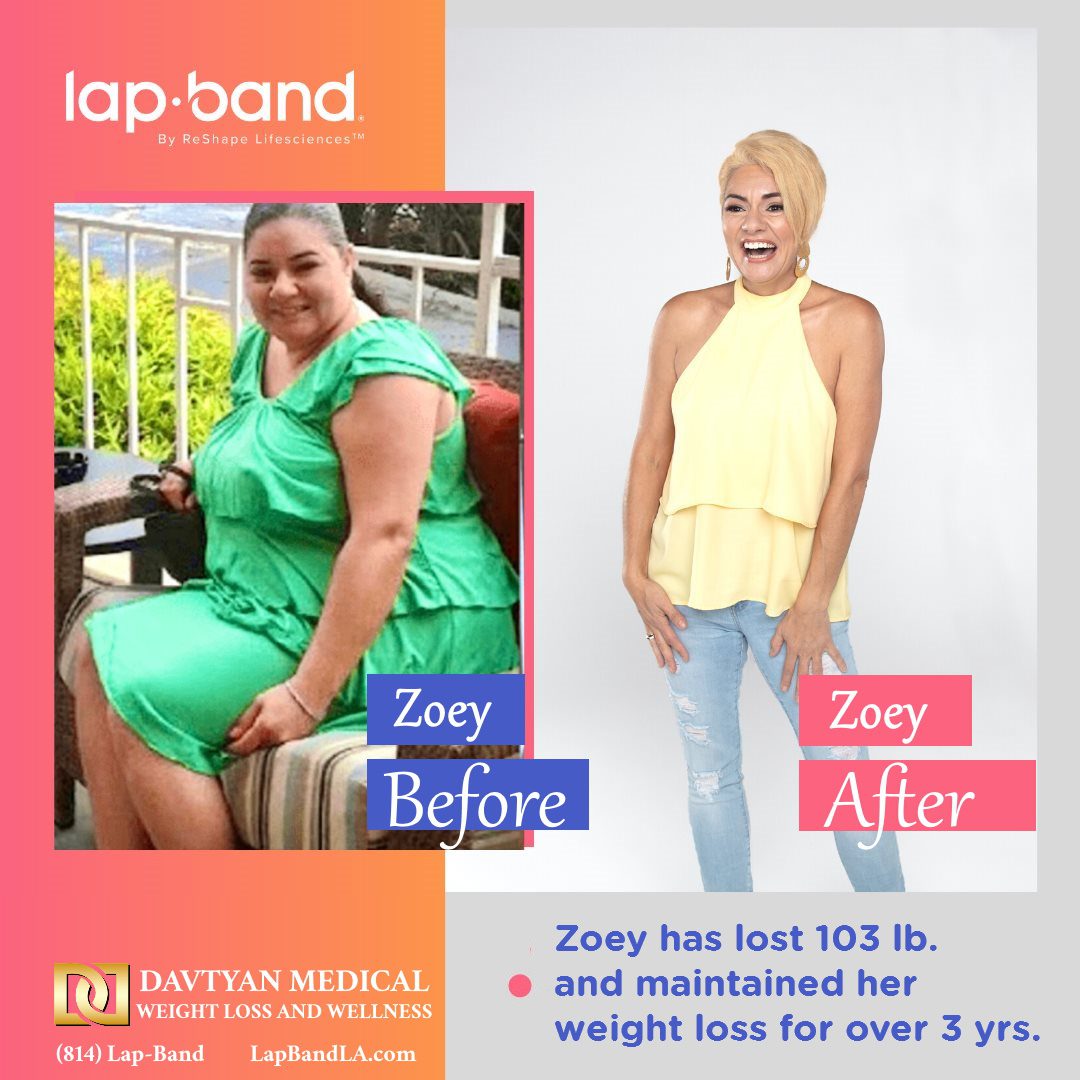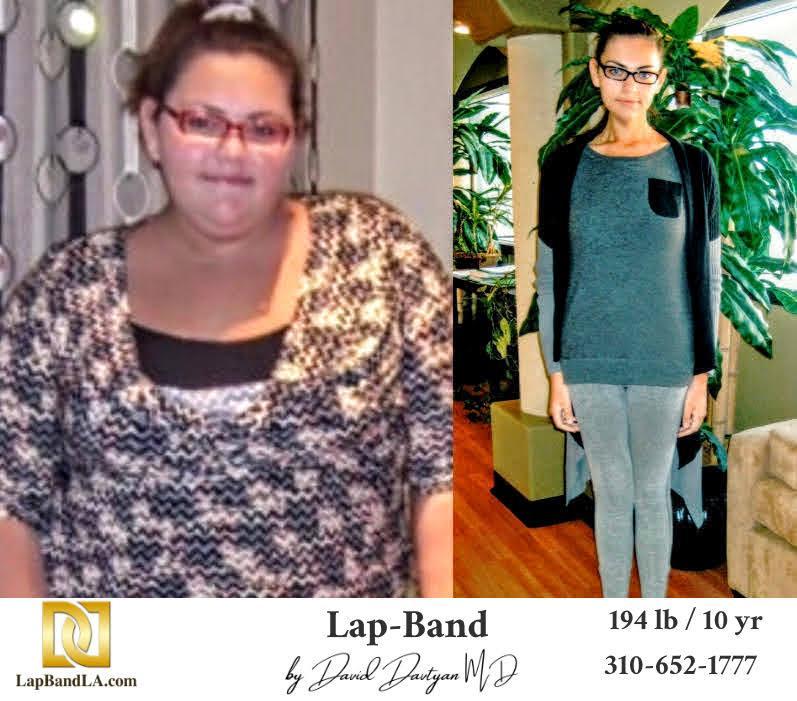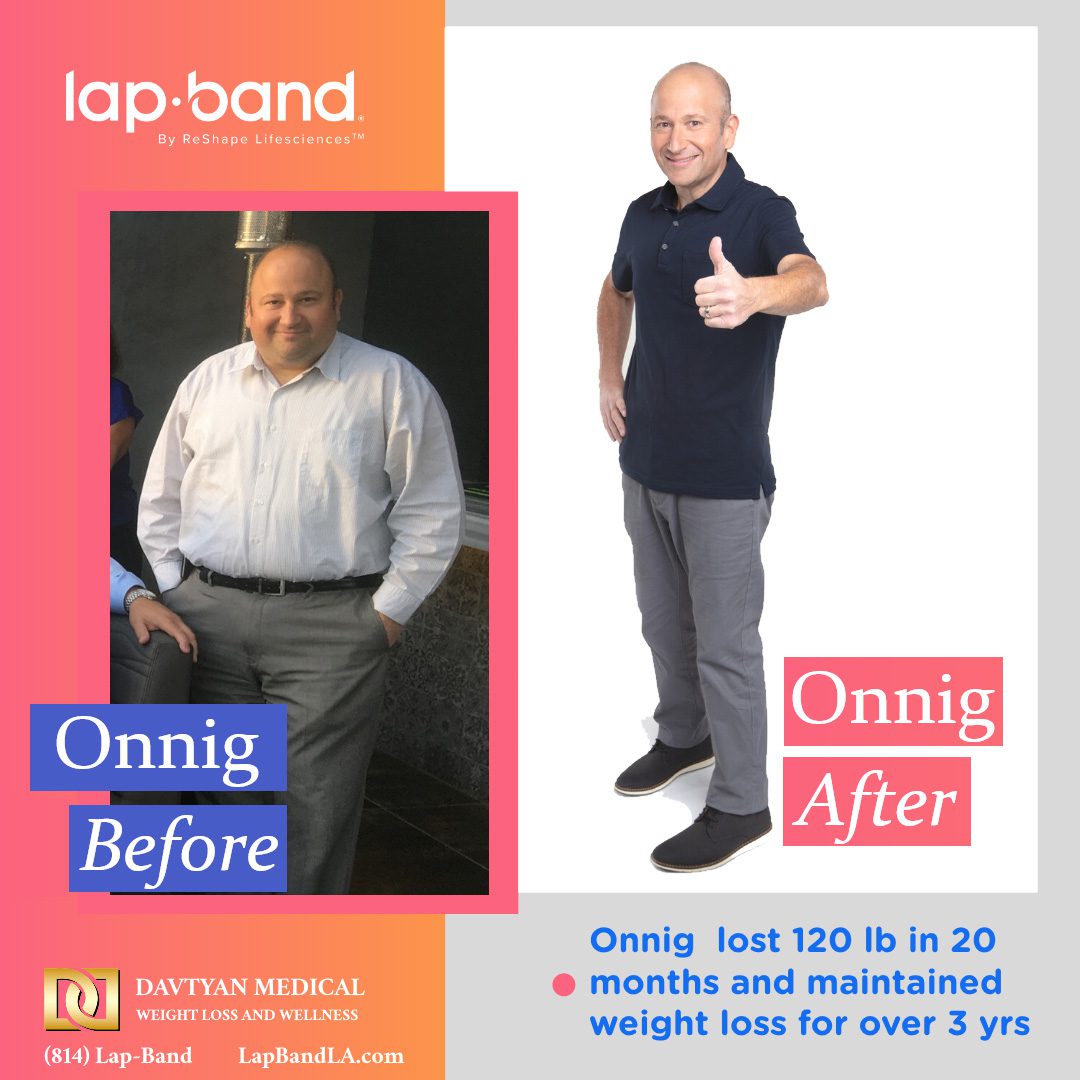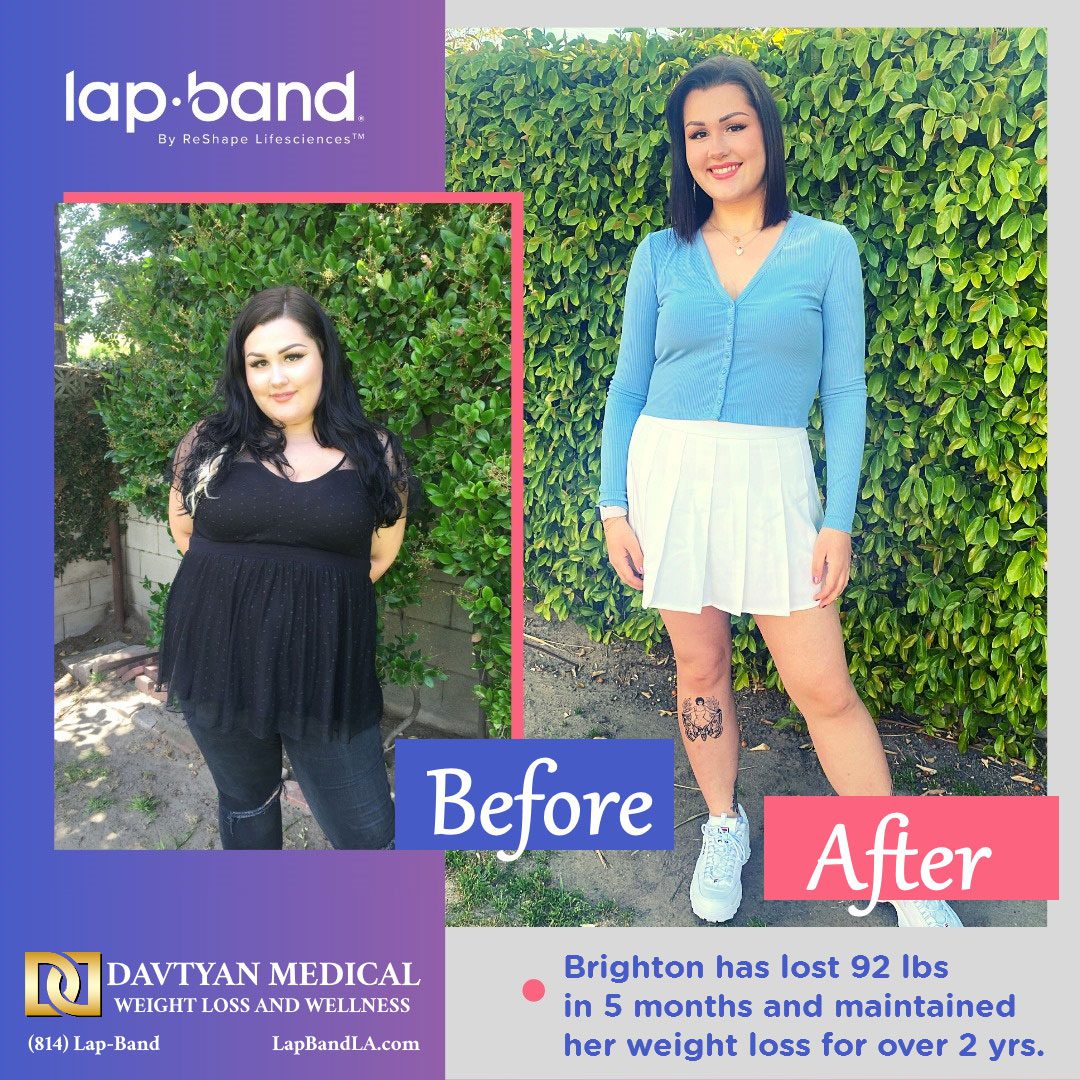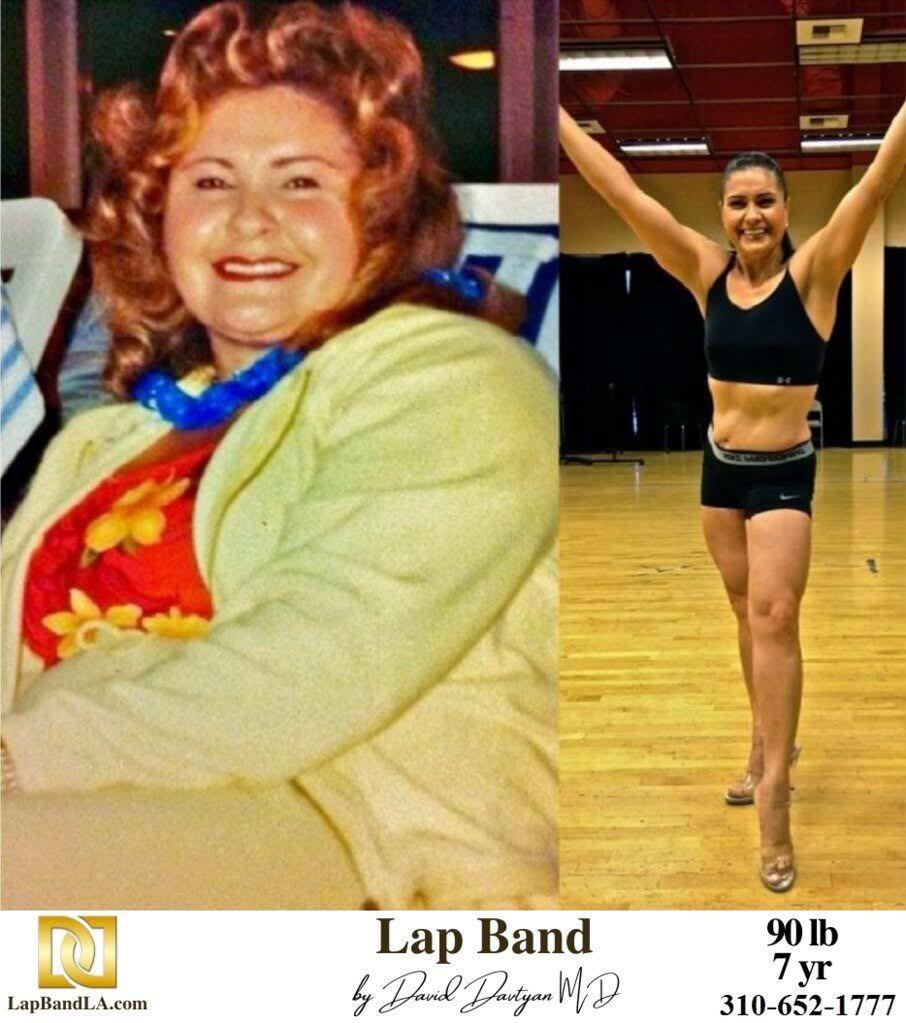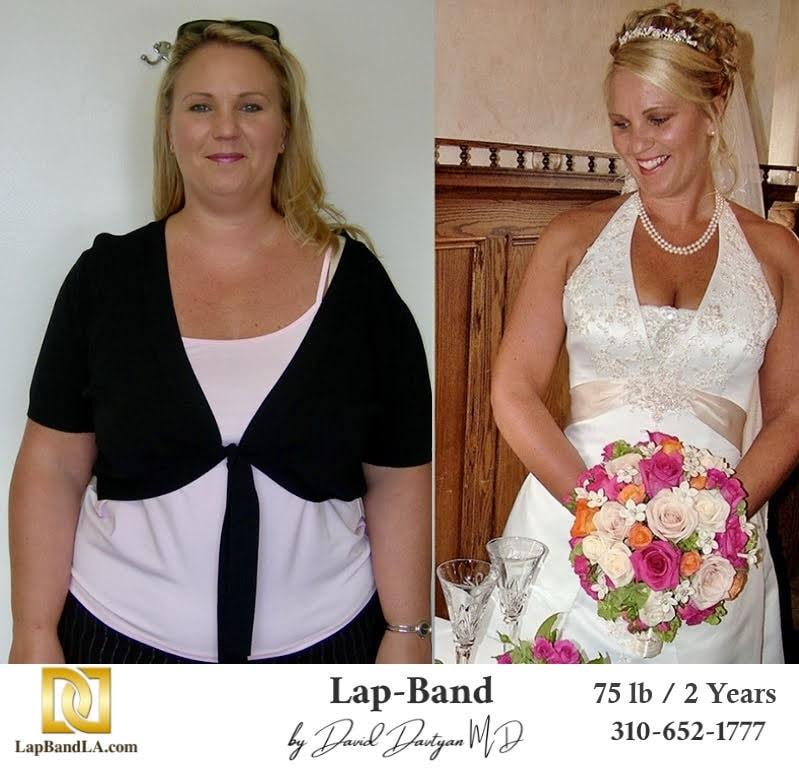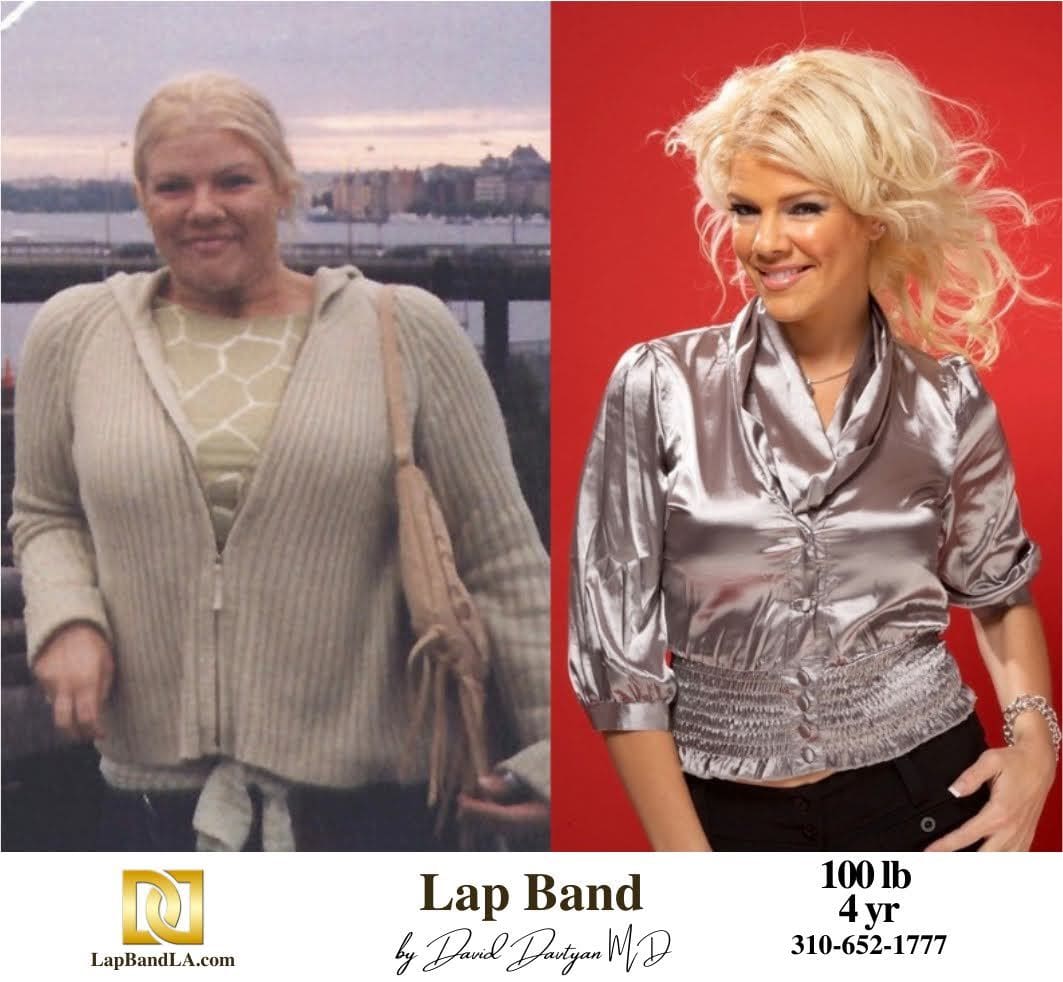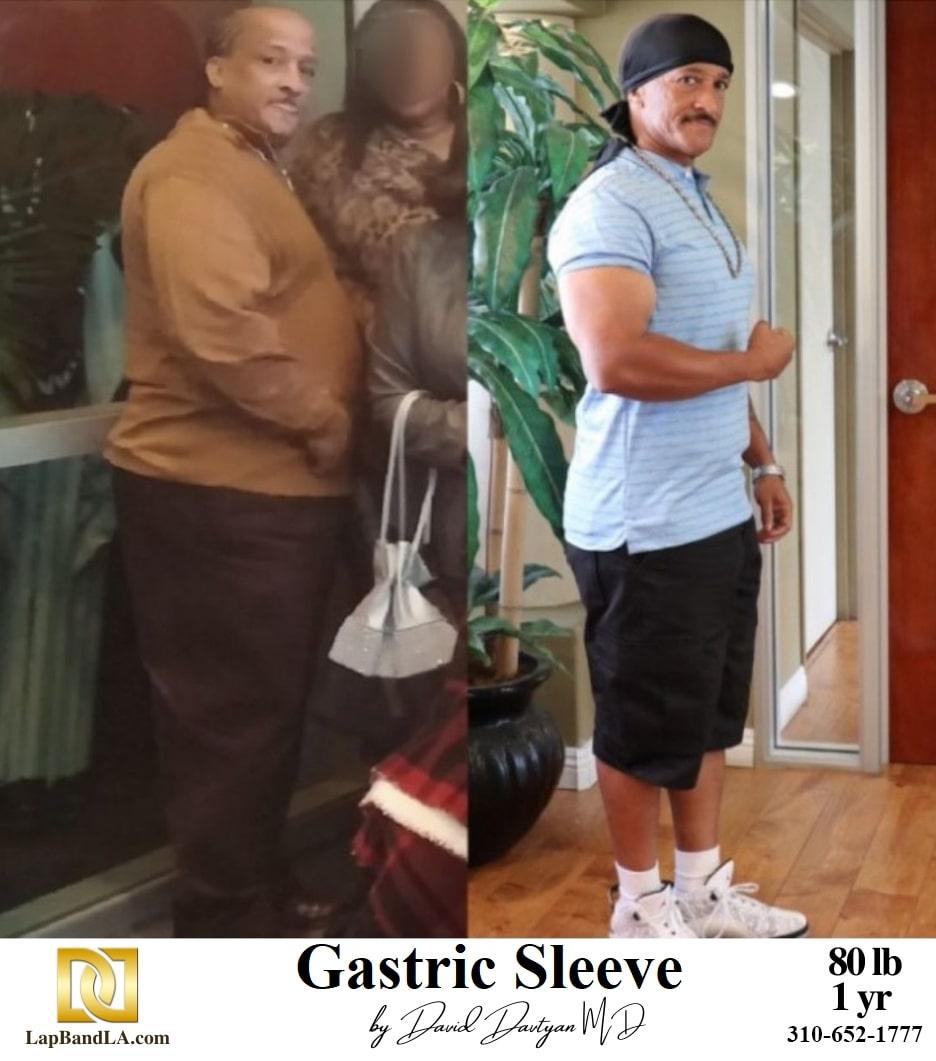
Benefits of Weight Loss Surgery
Benefits
The FDA approved the REALIZE Band for use in the United States based upon results from a three-year clinical study. The study began with 276 patients, and 228 completed the study.
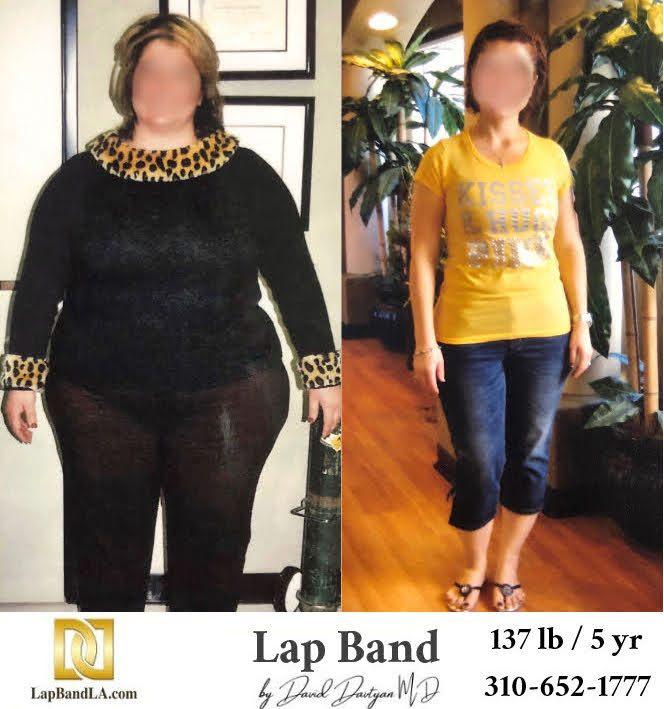
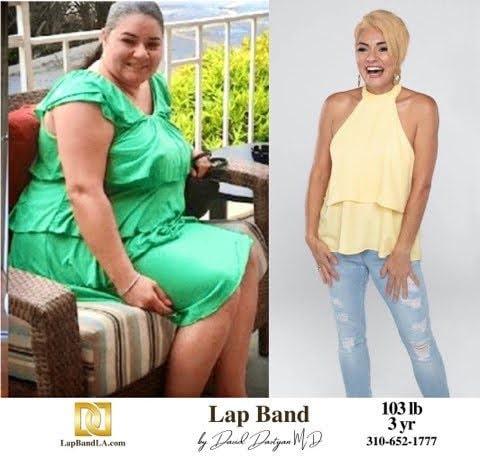
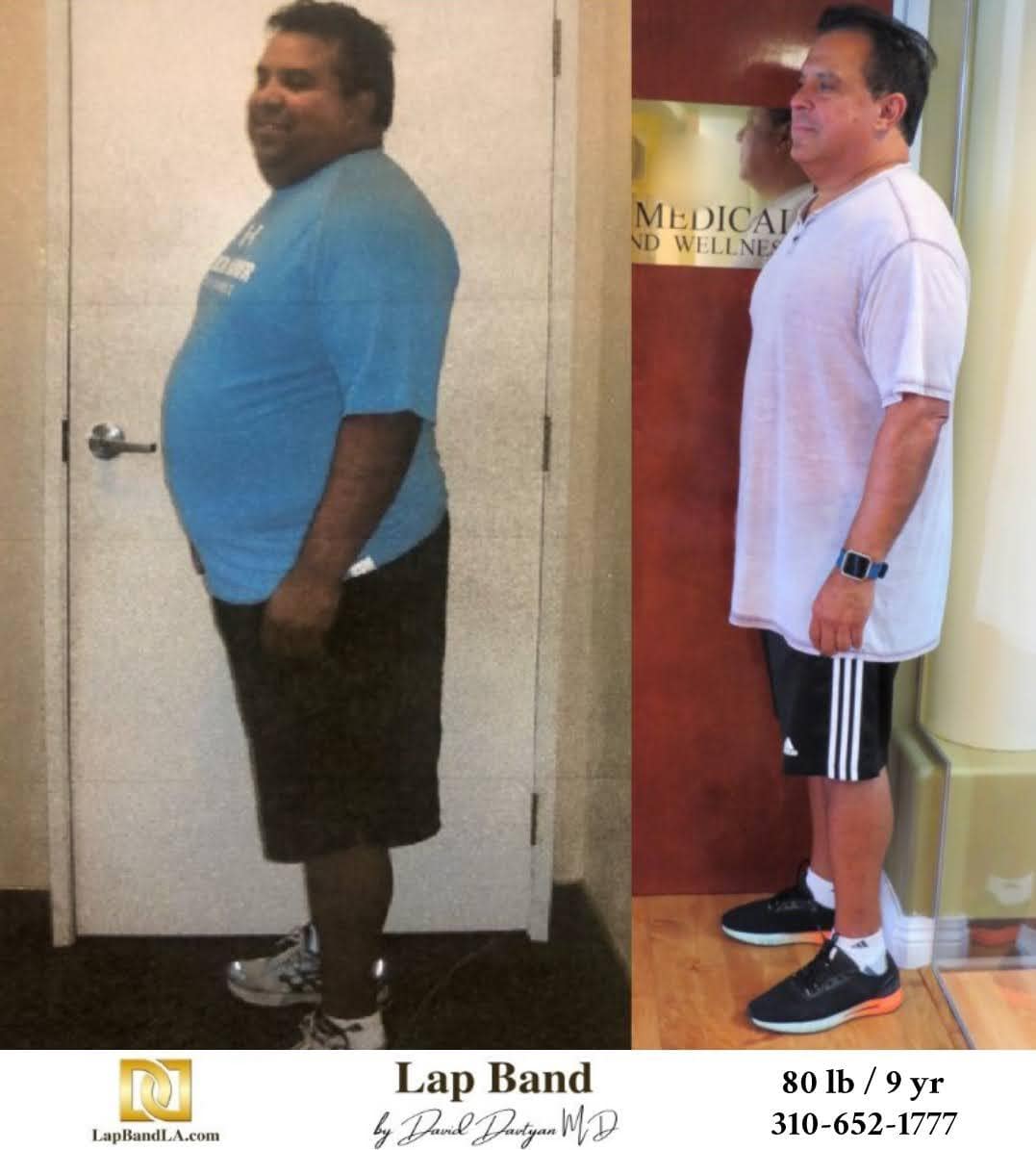
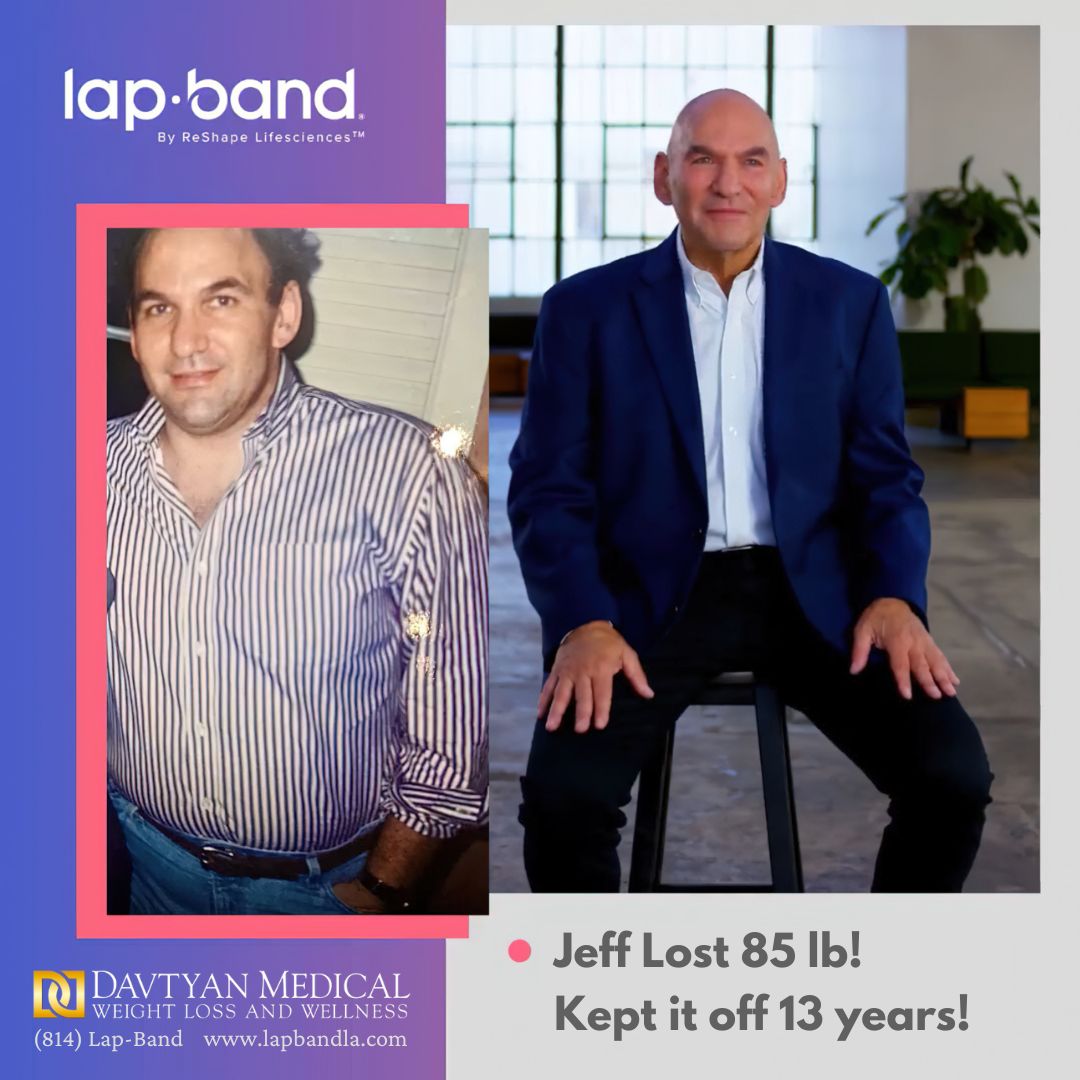
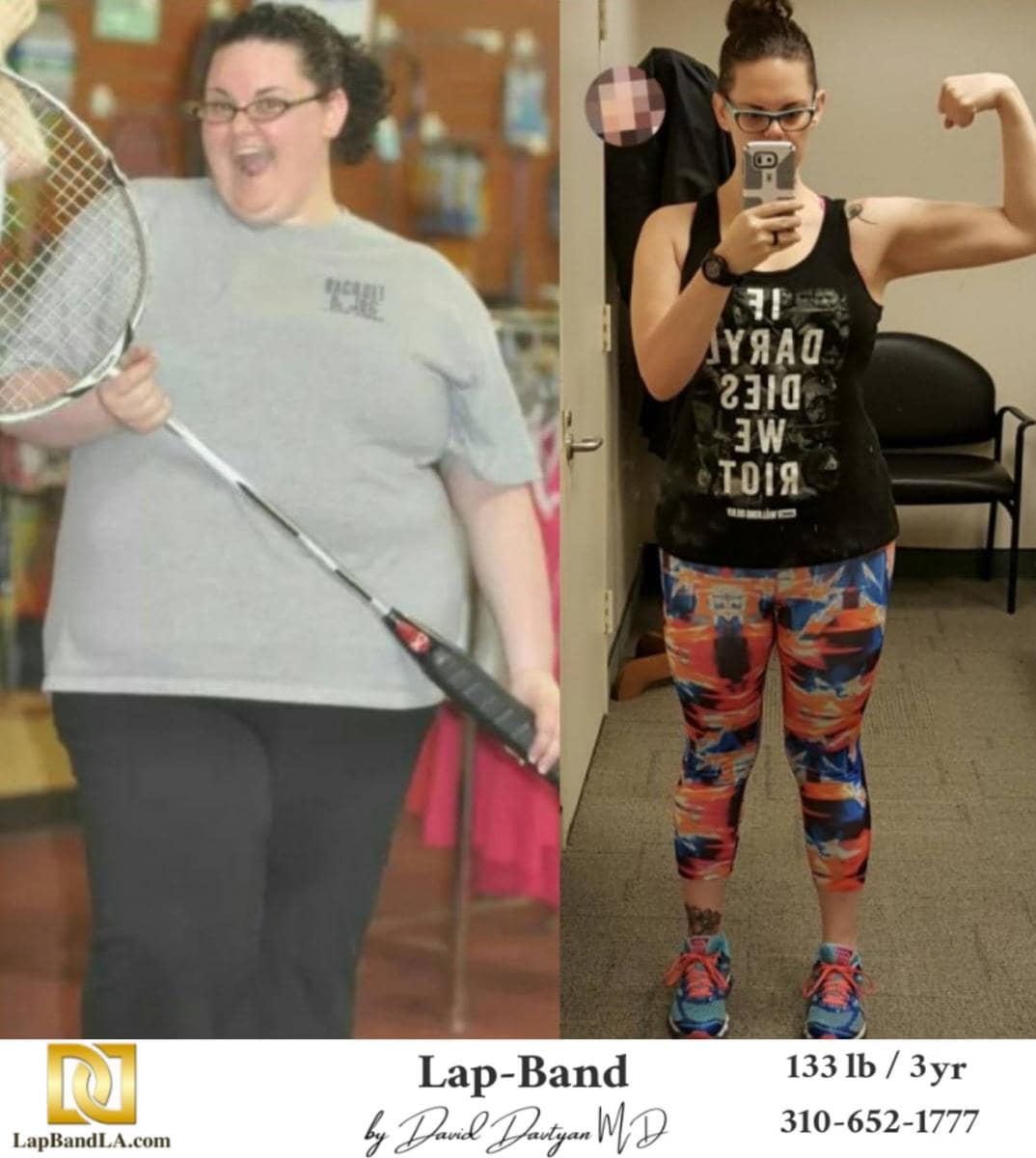
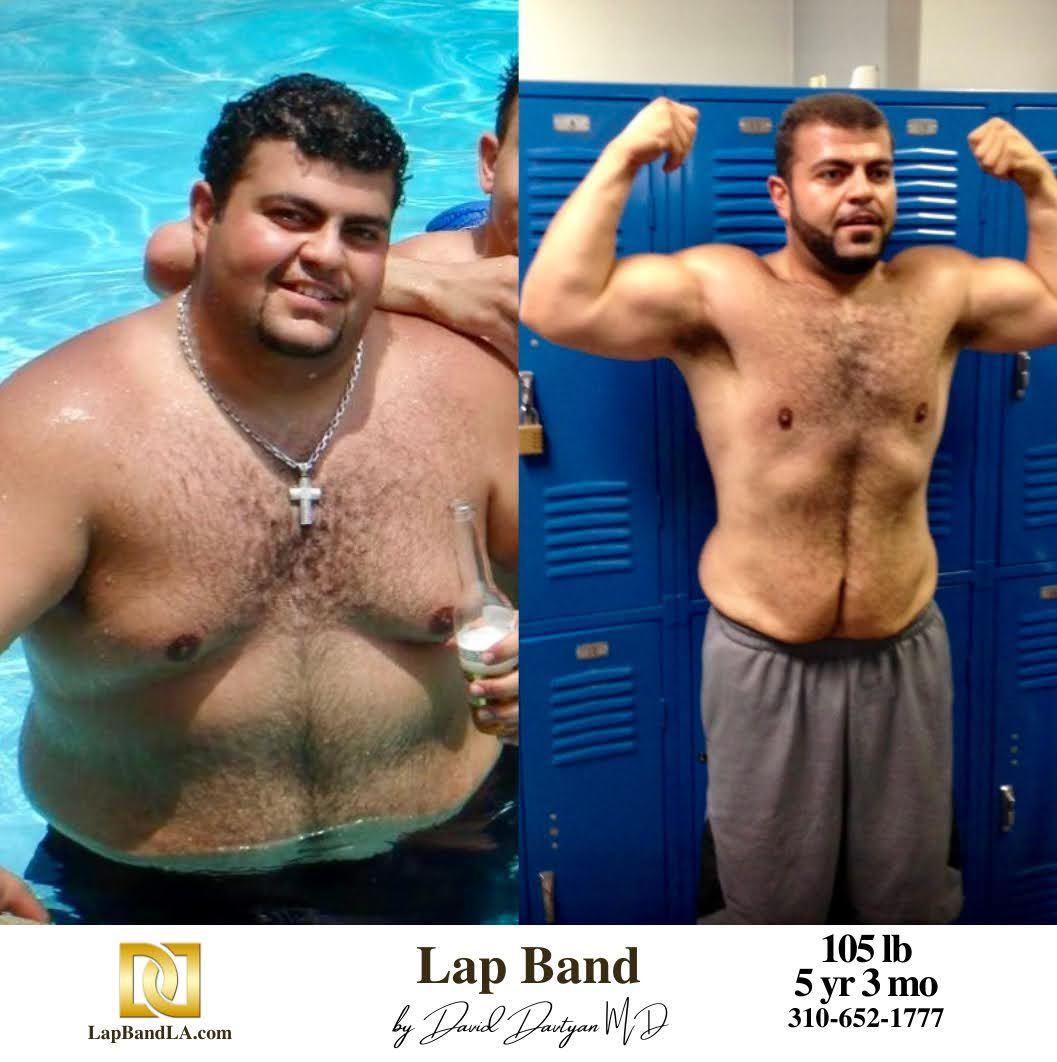
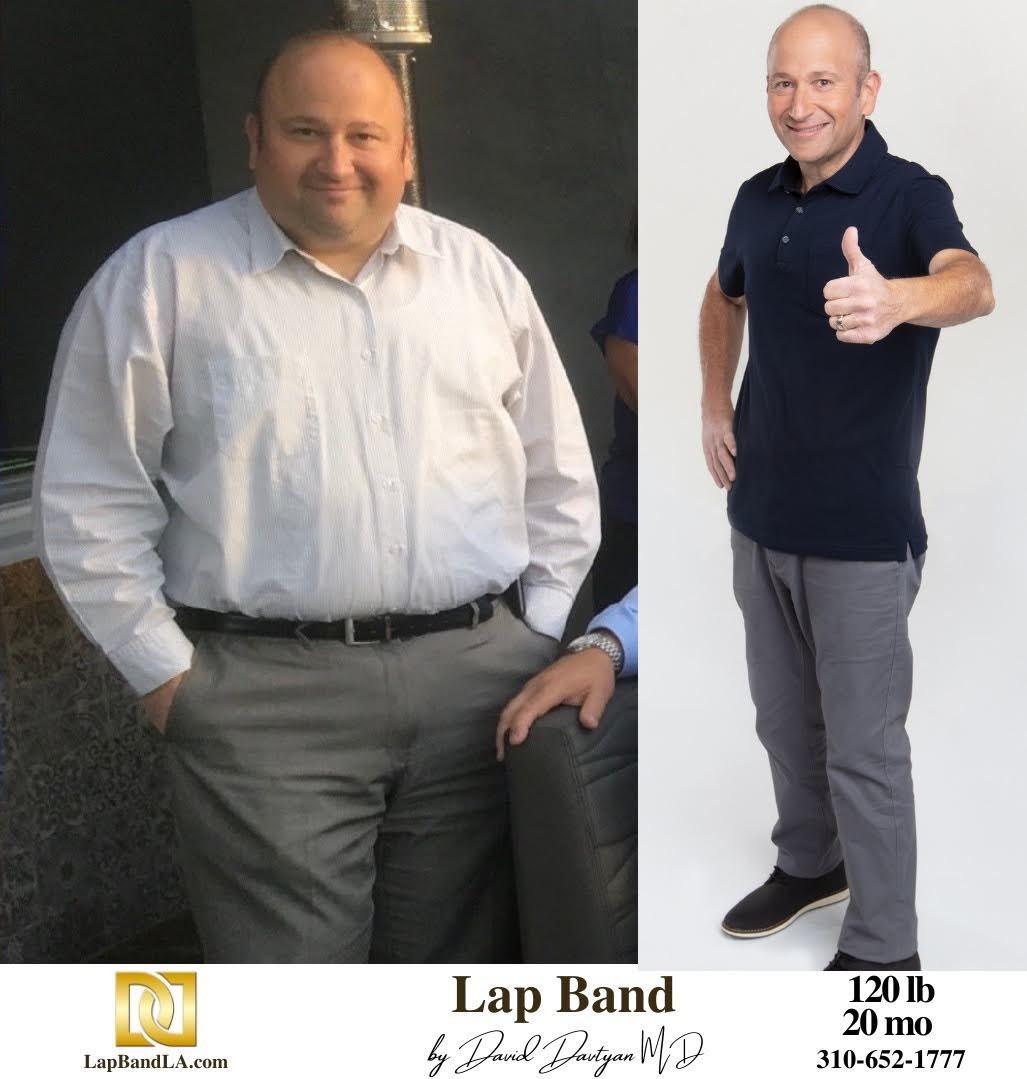
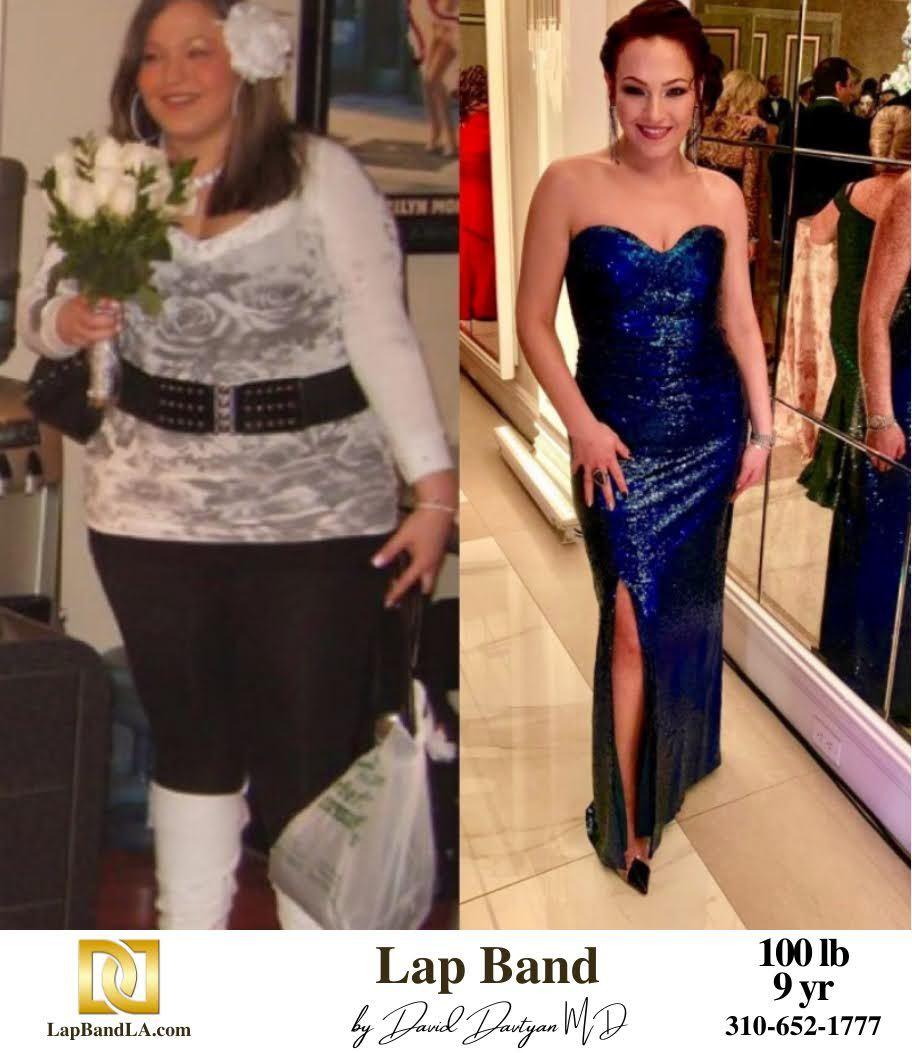
Results show that 224 patients lost a mean of 40 percent of their excess weight at one year. By the end of the second year, 212 patients lost 45 percent of their excess weight. By the end of the study, the majority of the patients had maintained their percent of excess weight loss (%EWL). Additionally, patients were able to reduce their (average) BMI from 44 to 36 in the first year after surgery. Patients were able to maintain their reduced BMI through their third year. Please see page 27 for an explanation of how to calculate %EWL.
Weight Loss Over Time
| FOLLOW-UP VISIT | NUMBER OF PATIENTS | %EWL | WEIGHT LOSS IN POUNDS | BMI |
|---|---|---|---|---|
| Presurgery | 228 | 0% | 0lbs | 44 |
| Four to six weeks | 224 | 16% | 20lbs | 41 |
| Six months | 220 | 30% | 38lbs | 38 |
| One year | 224 | 40% | 50lbs | 36 |
| 18 months | 213 | 44% | 55lbs | 35 |
| 24 months | 212 | 45% | 57lbs | 35 |
| 36 months | 228 | 43% | 53lbs | 36 |
Glossary Terms
- Hemoglobin: The protein in red blood cells that carries oxygen to the lungs and tissue.
- Mean: The arithmetic average; also called the arithmetic mean.
- Percent of excess weight loss (%EWL): A number that evaluates weight loss over a period of time. The number is calculated in two steps: 1) dividing actual weight loss by ideal weight loss, then 2) multiplying by 100 percent.
Weight Loss at Three Years*
| %EWL AT THREE YEARS | NUMBER OF PATIENTS | PERCENT OF PATIENTS |
|---|---|---|
| Gained weight | 5 | 2% |
| 0% to 5% | 6 | 3% |
| 5% to 25% | 41 | 18% |
| 25% to 33% | 33 | 14% |
| 33% to 50% | 63 | 28% |
| 50% to 75% | 56 | 25% |
| 75% to 100% | 24 | 10% |
| 228 | 100% |
* These data were extrapolated from Table 9.1 of the Tables and Listings from the U.S. clinical study. Of the 276 patients who started the study, 2% (six patients) gained more than 5% of their EWL at three years; 3% (eight) had no change; 20% (56) lost between 5% and 25% EWL; 75% (206) lost at least 25% EWL; 60% (166) lost at least 33% EWL; 33% (91) lost at least 50% EWL; and 9% (26) lost at least 75% EWL.
The study found differences in %EWL based on gender. For patients who completed the study, the average (mean) %EWL at three years was 35.8 for males (38 patients) compared to 44.7 for females (126 patients). The study target of 32.6 or more %EWL at three years was met for both gender groups. Your results may vary.
Improvements in Obesity-Related Conditions
- Scientific literature supports that weight loss in obese patients with type 2 diabetes aids in the control of the disease. In the clinical study, patients who had diabetes and an elevated level of a form of hemoglobin (HbA1c) in their blood prior to surgery had their level of this form of hemoglobin drop below 7 percent after losing weight with the REALIZE Band. Clinical study patients who had diabetes and a normal hemoglobin (HbA1c) level in their blood prior to surgery maintained values below 7 percent after surgery. The American Diabetes Association® (ADA) considers diabetes to be under control when this particular form of hemoglobin is 7 percent or less.*
- The clinical study patients experienced a 22 percent increase (10mg/dl) in good cholesterol (HDL) 36 months after surgery. They also experienced a decrease in bad cholesterol (LDL), total cholesterol, and triglycerides. At the three-year follow-up visit, these improvements were statistically significant.
* Rohlfing CL, Wiedmeyer HM, Little RR, et al. Defining the relationship between plasma glucose and HbA1c.
Diabetes Care 2002 Feb;25(2):275-8.
Improvement in Quality of Life
Patients in the U.S. clinical study reported improvements in various aspects of their quality of life. To evaluate these improvements, patients completed a written evaluation that measured various aspects of their mental and physical health.
- 68.8 percent (154 patients) reported their general health to be much better one year after surgery.
- Patients reported a significant improvement in their vitality, mental health, and social functioning three years after surgery.
- Patients reported a significant improvement in the physical aspects of their quality of life three years after surgery. This included improvement in general health, reduction in bodily pain, and increased ability to complete daily and work activities.
These results show that gastric banding surgery can be effective for people who choose to transform their health with the REALIZE Band.
Benefits of Laparoscopic Surgery
Another important benefit of gastric banding surgery is that it can be performed in a minimally invasive manner. Laparoscopic surgery is usually shorter in duration; there are no large incisions; it is less painful; and it allows you to go home from the hospital sooner. The illustrations below show the difference between laparoscopic and open surgery.
| Laparoscopic Gastric Banding Surgery | Open Abdominal Surgery |
![]() |
![]() |